


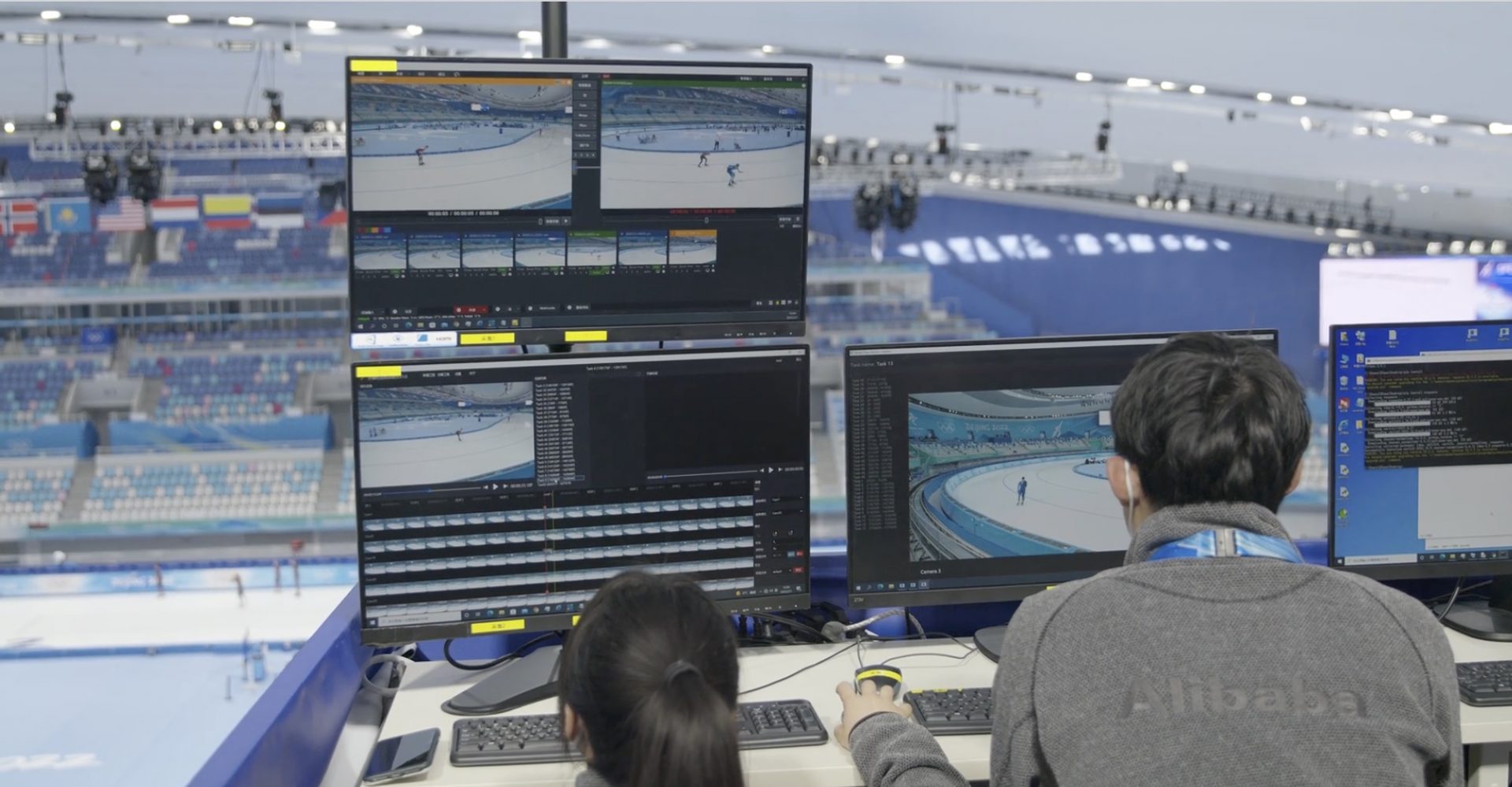
In an effort to bolster the International Olympic Committee’s (IOC) digitalisation efforts, the 2022 Olympic Winter Games had to successfully migrate its core games technology services to Alibaba Cloud, the digital technology and intelligence backbone of the Alibaba Group.
The master plan for the Winter Olympics, drawn up by the IOC, included the implementation of key operational systems delivered by the IOC’s Worldwide IT Partner Atos, such as the Games Management Systems (GMS), Olympics Management Systems (OMS) and Olympics Distribution Systems (ODS).
All these had to be migrated to Alibaba’s cloud infrastructure.
The migration occurred against the backdrop of the Covid-19 pandemic so as to create seamless and more efficient production workflows for content producers to work safely and enthral participants and audiences from around the world.
With the advanced cloud-based capability to analyse real-time information, the planning and management for Beijing 2022 had to be further streamlined and improved for a more smooth user experience. Taking advantage of the scalability, reliability, and security features of the Alibaba Cloud infrastructure, the IOC and event organisers reduced the complexity of the game planning based on intelligence-driven decisions; striking the right balance between optimising existing resources and creating new ones.
Jeff Zhang, President of Alibaba Cloud Intelligence, said, “The Olympic Winter Games Beijing 2022 will not just be remembered by the excitement and the phenomenal achievements brought about by the athletes from across the world, but also for the new benchmarks it has set for driving a more efficient, sustainable and inclusive Olympic Games.
“We are proud to be supporting the digitalisation of the Olympic Games, and we hope our experience in hosting Beijing 2022’s core operating systems on Alibaba Cloud will be passed on to future sporting events.”