
Web 3.0: How will it change the media landscape and send it on a hyperloop? - APB+ News

APB+ News

APB AWARDS - NOMINATE NOW!

[master-leader-web]
[master-leader-mob]

Web 3.0: How will it change the media landscape and send it on a hyperloop?

Add Your Heading Text Here

By Loewe Tan

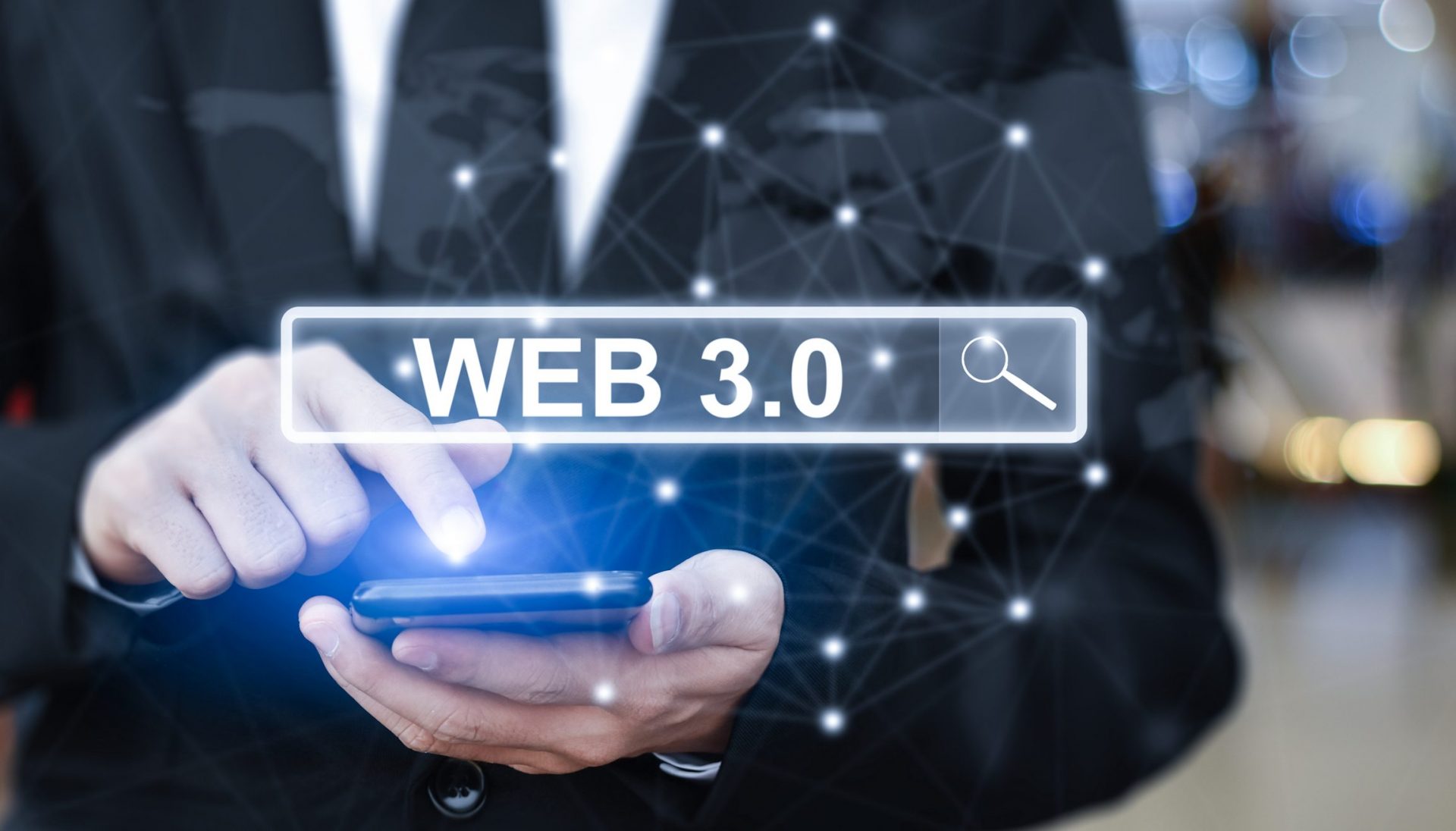
Web 3.0, or simply known as Web3, is ranked as one of the top technologies that will shape the future of our world. Contrary to common misconception, Web3, is not the same as Metaverse and the terms should not be used interchangeably. Web3 refers to a decentralised web that encompasses blockchain, AI and data analytics, creating a more secure and hyper-personalised web experience for all.

Currently, the media landscape is plagued with content piracy, disinformation and privacy concerns. In fact, according to Statista, less than 50% of Americans find major news platforms to be credible sources of information in 2022. With the arrival of Web3, media agencies can soon develop new tools to verify the validity of news through blockchain, and even incentivise the users for doing so, effectively curtailing the spread of fake news. But, there’s more — Web3 can really shape the future of the media landscape. 

Web3.0 can spark new revenue models 

The Big WWW (world-wide web) has evolved vastly over the years. When it first started out, Web 1.0 sites were static, or practically “read-only” sites. In the 2000s, Web 2.0 came along and gave rise to a social web such as Google and social media networks. Most recently, Web 3.0 is being popularised, marking a new movement from centralised platforms (such as Facebook) to decentralised platforms.

What’s the catalyst of the migration to Web3.0? 

First and foremost, centralised web platforms have been harvesting user data for profits. Google, for instance, was fined US$57 million for General Data Protection Regulation (GDPR) violation in 2020. However, a decentralised web offers more data privacy for users, whilst diluting the monopoly of data control. 

Furthermore, Web3-enabled platforms can empower users with tools to monetise their data, giving rise to the “action-to-earn” incentivisation models. For instance, OTT streaming providers can leverage “watch ad-to-earn” models to offer consumers incentives to watch the advertisements that appear on their screens; thus, advertisements are not hard pushed to the users, and the interaction with the advertisers will increase as users are motivated to watch the full advertisement. 

ViralUp is one such platform that incentivises users with its native token, $VIRAL, for interacting with its ad content. Advertisers will be able to track users' actions and reward the users for watching their advertisements. Would the new revenue model revolutionise a “watch-to-earn” streaming experience?

NFTs: The Currency of Experience

Apart from the platform's native token, NFT can become a reward or motivation for a user's continuous actions. To welcome the new world of Web3, NFTs can be sold as digital merchandise or tickets to exclusive backstage access.

Therefore, NFT will be the token to unlock future experiences — hyper-personalised, immersive, live and more content. The US National Hockey League (NHL) has partnered with Sweet, an NFT platform, to launch a slew of digital collectibles. Hence, consumers can look forward to a more immersive digital experience when watching sports live stream over Web3. 

Web3.0 for content verification

A web of disinformation has formed over the years, as the internet lacks effective gatekeepers against waves of fake news. With blockchain, Web3 equips media houses with the capability to fact check and verify the source of news.

In 2020, Associated Press (AP) proclaimed Joe Biden the new President of US election on Ethereum using Everipedia's OraQle software. While social media giants have issued cautions over fake news during the election period, AP has raised the bar by using APIs (Application Programming Interface), allowing others to verify the data before publishing it on the chain. 

As such, blockchain can also ensure that the content is distributed to its intended user, as content is verified and encrypted during the transfer. Thus, Web3 can reduce or potentially stamp out fake news.

Indeed, the advent of Web3 has placed the media industry on a hyperloop to a future of new opportunities. Web3 will shake up the entire media ecosystem empowering users more control over their data, allowing broadcasters to create immersive viewing experiences and, most important, introduce more effective gatekeepers and increase accuracy of news disseminated.  
Join The Community

Join The Community

Web 3.0: How will it change the media landscape and send it on a hyperloop?

Add Your Heading Text Here

By Loewe Tan

Web 3.0, or simply known as Web3, is ranked as one of the top technologies that will shape the future of our world. Contrary to common misconception, Web3, is not the same as Metaverse and the terms should not be used interchangeably. Web3 refers to a decentralised web that encompasses blockchain, AI and data analytics, creating a more secure and hyper-personalised web experience for all.

Currently, the media landscape is plagued with content piracy, disinformation and privacy concerns. In fact, according to Statista, less than 50% of Americans find major news platforms to be credible sources of information in 2022. With the arrival of Web3, media agencies can soon develop new tools to verify the validity of news through blockchain, and even incentivise the users for doing so, effectively curtailing the spread of fake news. But, there’s more — Web3 can really shape the future of the media landscape. 

Web3.0 can spark new revenue models 

The Big WWW (world-wide web) has evolved vastly over the years. When it first started out, Web 1.0 sites were static, or practically “read-only” sites. In the 2000s, Web 2.0 came along and gave rise to a social web such as Google and social media networks. Most recently, Web 3.0 is being popularised, marking a new movement from centralised platforms (such as Facebook) to decentralised platforms.

What’s the catalyst of the migration to Web3.0? 

First and foremost, centralised web platforms have been harvesting user data for profits. Google, for instance, was fined US$57 million for General Data Protection Regulation (GDPR) violation in 2020. However, a decentralised web offers more data privacy for users, whilst diluting the monopoly of data control. 

Furthermore, Web3-enabled platforms can empower users with tools to monetise their data, giving rise to the “action-to-earn” incentivisation models. For instance, OTT streaming providers can leverage “watch ad-to-earn” models to offer consumers incentives to watch the advertisements that appear on their screens; thus, advertisements are not hard pushed to the users, and the interaction with the advertisers will increase as users are motivated to watch the full advertisement. 

ViralUp is one such platform that incentivises users with its native token, $VIRAL, for interacting with its ad content. Advertisers will be able to track users' actions and reward the users for watching their advertisements. Would the new revenue model revolutionise a “watch-to-earn” streaming experience?

NFTs: The Currency of Experience

Apart from the platform's native token, NFT can become a reward or motivation for a user's continuous actions. To welcome the new world of Web3, NFTs can be sold as digital merchandise or tickets to exclusive backstage access.

Therefore, NFT will be the token to unlock future experiences — hyper-personalised, immersive, live and more content. The US National Hockey League (NHL) has partnered with Sweet, an NFT platform, to launch a slew of digital collectibles. Hence, consumers can look forward to a more immersive digital experience when watching sports live stream over Web3. 

Web3.0 for content verification

A web of disinformation has formed over the years, as the internet lacks effective gatekeepers against waves of fake news. With blockchain, Web3 equips media houses with the capability to fact check and verify the source of news.

In 2020, Associated Press (AP) proclaimed Joe Biden the new President of US election on Ethereum using Everipedia's OraQle software. While social media giants have issued cautions over fake news during the election period, AP has raised the bar by using APIs (Application Programming Interface), allowing others to verify the data before publishing it on the chain. 

As such, blockchain can also ensure that the content is distributed to its intended user, as content is verified and encrypted during the transfer. Thus, Web3 can reduce or potentially stamp out fake news.

Indeed, the advent of Web3 has placed the media industry on a hyperloop to a future of new opportunities. Web3 will shake up the entire media ecosystem empowering users more control over their data, allowing broadcasters to create immersive viewing experiences and, most important, introduce more effective gatekeepers and increase accuracy of news disseminated.  

Join The Community

Stay Connected

Facebook

101K

Twitter

3.9K

Instagram

1.7K

LinkedIn

19.9K

YouTube

0.2K

Subscribe to the latest news now!


    Scroll to Top