


As the media and entertainment industry continues to evolve, technology will play an increasingly pivotal role in shaping how content is created and delivered.
Inevitably, the spotlight is likely to continue falling on artificial intelligence (AI) and its transformational impact on content production.
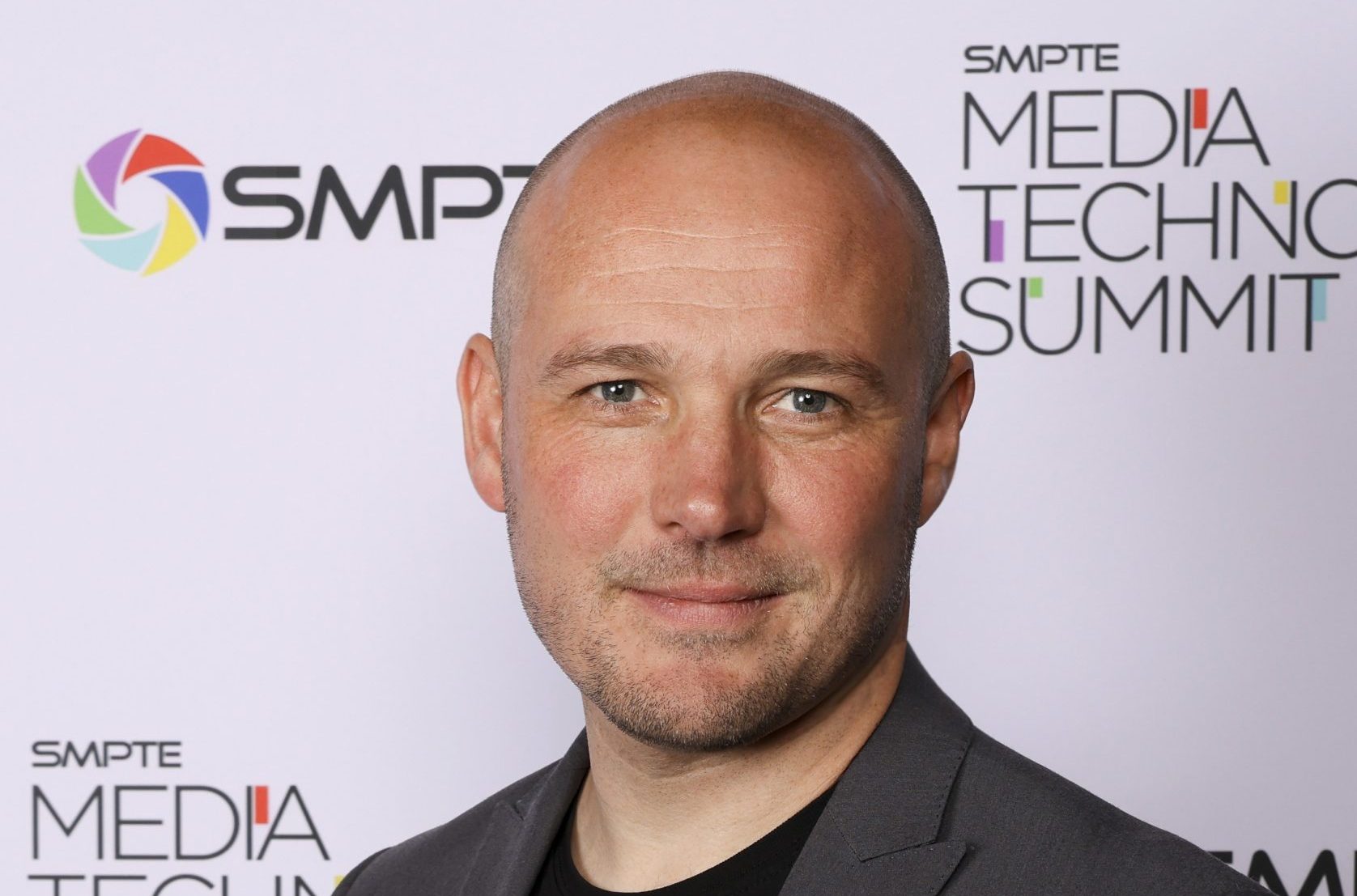
“In many respects, the role of AI in movies and TV won’t be any different to any other industry, where efficiency gains through assistance and agentic solutions will be the low hanging fruit for any organisation or production,” Richard Welsh, President, SMPTE, told APB+.
Where AI is likely to stir more controversy, he suggested, is in the creative process.
“The potential impact on the art of storytelling through image and sound and text cannot be understated,” Welsh explained. “Creative AI powered by generative models raise many questions but also provide an incredible opportunity to expand the creative palette and democratise many aspects of production.”
Besides exploring the technological implications of Gen AI, SMPTE is also focused on what he described as “huge topics” in the shape of creative and artist’s individual rights, ethical data sourcing and guardrails.
“As we move forward through this new industrial revolution, we will strive to support and guide the industry as we have through so many technological changes for over a century,” Welsh added.
With content consumption habits continuing to evolve alongside technologies, he also sees the sheer volume of new content being created as the biggest challenge facing content creators today.
“The ability to cut through the noise and produce original content means the focus needs more than ever to be on developing innovative experiences and telling amazing stories that resonate.”
Welsh urged creatives not to lose sight of how technology should always be in service of the art. Specifically, in a world where originality and creativity are so competitive, technology must not get in the way through inefficiency or lack of interoperability.
“As technology evolves faster than ever and with the rise in generative AI, it’s more important than ever that organisations like SMPTE step up and create standardised creation and delivery systems and processes that remove the friction in getting content to screens across all platforms and throughout the world,” Welsh concluded.