


COVID-19 proves that media’s value is growing – but we need to find better ways to measure it - APB+ News

APB+ News

[the_ad id="929859"]
[the_ad id="929738"]

APB AWARDS - NOMINATE NOW!

[master-leader-web]
[master-leader-mob]

COVID-19 proves that media’s value is growing – but we need to find better ways to measure it

Add Your Heading Text Here

Media is playing an important role in the COVID-19 response,
even as it poses challenges to the industry; new research shows between 80% and
90% of people consume news and entertainment for an average of 24 hours a week,
according to  Stefan
Hall, Project Lead, Media, Entertainment & Culture, World Economic Forum.

Hall says: “The COVID-19 pandemic is disrupting every industry. For the
media sector, coronavirus creates both opportunities and challenges.

“On the one hand, social
distancing has led to a spike in at-home media consumption, and growing numbers
are turning to news providers for timely and trusted information on the crisis.

“At the same time, some
of the most valuable broadcast content – such as live sports – is being
postponed or cancelled, leading to spending reallocations by advertisers and a
subsequent drop in income for media companies.”

What is the World Economic Forum doing about the
coronavirus outbreak?

The WEF report maintains
that while the current disruption may be unprecedented, the media industry has
been upended many times before. Since the turn of the century, digitisation of
content, the rise of social media and acceleration in mobile consumption have
all forced changes to the way media companies monetise content.

Today – thanks to the
internet’s low distribution costs and the global audience it offers – every
publisher or distributor is a legitimate competitor, each striving to capture a
share of advertising spend and consumer attention.

Some have thrived: their
addressable market is bigger, or they’ve scaled to stay competitive. New
companies – new ways of reaching people – have been created.

Others struggle; local
news in particular faces major challenges. A few have failed, and a few more
may do so in the future.

“What has stayed constant
is the indispensable role that media play in society. Media don’t just help us
pass the time; they keep us informed,” says Hall, noting that increasingly,
media create shared cultural moments and reflect who we are as people … and the
industry needs financial models that work to be able to keep fulfilling these
functions, which appear ever-more important during COVID-19.

Indeed, this is why a
proper understanding of how content creators, consumers and advertisers value
media is as important as ever.

“One of the most direct
ways to gauge value is engagement, and on this front media is doing well.
Between 80% and 90% of us read, watch or listen to news and entertainment for
an average of almost 24 hours during a typical week.

“It’s no surprise that
engagement with media is high, considering the variety of quality providers
there are today.”

Another barometer for
value is the number of paying consumers. Some argue this is the most important,
because it is a critical component of financial sustainability in the industry.

“Here, there is room for
improvement. On average, under half of consumers pay for media – 44% for entertainment
and only 16% for news,” says Hall.

“But these benchmarks are
static: they don’t demonstrate whether media’s value proposition to consumers
is getting stronger.

“A more indicative
measure may be future willingness to pay. This provides a dynamic reflection of
value, because it implies that the right mix of product and price exists, it
just needs to be matched to customer and context.

“The fact that the
proportion of consumers willing to pay in future – 53% for news and 70% for
entertainment – is higher than those who currently pay suggests that media
companies are in a good position to prove value to greater numbers of people.”

This is brought into
focus by the trend that paid subscriptions are higher among young people than
older age groups. On average, over 60% of consumers aged 16-34 pay for
entertainment, compared to 22% of those aged 55+.

The younger group is also
more likely to pay for news. This generation grew up with the internet’s
culture of free, so their greater desire to consume and pay is another
indication of improving value.

These are reasons to be
optimistic. Where action may be warranted is in three areas.

First is the immediate
challenge posed to the industry by the coronavirus crisis. There’s evidence
that self- or forced -solation as a result of COVID-19 has boosted media
consumption, even as traditional drivers of media consumption like sports and
live entertainment have slowed. And few can argue against the value of having
newsrooms that provide timely information in such situations.

However, all media rely
on the free movement of people to produce and consume content. At least in the
short term, it will have to find ways to adapt.

“Connected to this is the
massive role that advertising plays in funding content creation. Our research
shows that low-income groups are far less likely to pay for news than people
with higher incomes or social status.

“This suggests that
concerns of emerging "information inequalities", where wealthier
consumers have access to more or higher-quality information, are very real.”

Some publishers offset
the cost of producing content with advertising in order to ensure equality of
access. In a scenario, still plausible at this stage, where disruption from the
coronavirus takes longer to resolve, media companies will find themselves with
an advertising revenue shortfall.

The financial burden of
keeping people informed and entertained may start to shift away from
advertisers and onto other stakeholders instead. In the long run this may
require greater government intervention.

“This relates to the
final area worthy of attention, which is the increasingly competitive nature of
media today.

“A lot of attention has
been focused on the ‘war’ between media companies for consumers’ eyes and
wallets, potentially underestimating the impact of so-called “super competitors”
now entering the industry.”

These companies, also
termed “ecosystem media”, use content to drive value to other parts of their
businesses. On the one hand, a portfolio of products and services may mitigate
the risks of being media-only. However, the influence such companies exert on
the overall media landscape is significant.

Hall observes: “We know
we need better metrics for consumers’ perceptions of value in media. We now
need better metrics for how these companies provide value for society.

“It’s said that media
love a crisis. This may be the most important one yet for the industry!”

Question
of the Week:
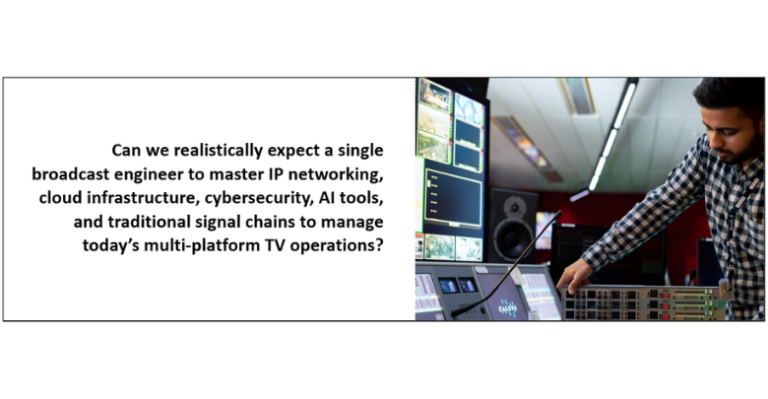
How best can broadcasters improve their important role in media and remain trusted sources of information while addressing concerns over "information inequalities" — where wealthier consumers have access to more or higher-quality information?

Categories: Topic
[the_ad id="929856"]

Join The Community

[the_ad id="929828"]
[the_ad id="929838"]
[the_ad id="929840"]

Join The Community

[the_ad id="929842"]

TDM

x Studio

Connect with your clients by working with our in-house brand studio, using our expertise and media reach to help you create and craft your message in video and podcast, native content and whitepapers, webinars and event formats.

COVID-19 proves that media’s value is growing – but we need to find better ways to measure it

Add Your Heading Text Here

Media is playing an important role in the COVID-19 response,
even as it poses challenges to the industry; new research shows between 80% and
90% of people consume news and entertainment for an average of 24 hours a week,
according to  Stefan
Hall, Project Lead, Media, Entertainment & Culture, World Economic Forum.

Hall says: “The COVID-19 pandemic is disrupting every industry. For the
media sector, coronavirus creates both opportunities and challenges.

“On the one hand, social
distancing has led to a spike in at-home media consumption, and growing numbers
are turning to news providers for timely and trusted information on the crisis.

“At the same time, some
of the most valuable broadcast content – such as live sports – is being
postponed or cancelled, leading to spending reallocations by advertisers and a
subsequent drop in income for media companies.”

What is the World Economic Forum doing about the
coronavirus outbreak?

The WEF report maintains
that while the current disruption may be unprecedented, the media industry has
been upended many times before. Since the turn of the century, digitisation of
content, the rise of social media and acceleration in mobile consumption have
all forced changes to the way media companies monetise content.

Today – thanks to the
internet’s low distribution costs and the global audience it offers – every
publisher or distributor is a legitimate competitor, each striving to capture a
share of advertising spend and consumer attention.

Some have thrived: their
addressable market is bigger, or they’ve scaled to stay competitive. New
companies – new ways of reaching people – have been created.

Others struggle; local
news in particular faces major challenges. A few have failed, and a few more
may do so in the future.

“What has stayed constant
is the indispensable role that media play in society. Media don’t just help us
pass the time; they keep us informed,” says Hall, noting that increasingly,
media create shared cultural moments and reflect who we are as people … and the
industry needs financial models that work to be able to keep fulfilling these
functions, which appear ever-more important during COVID-19.

Indeed, this is why a
proper understanding of how content creators, consumers and advertisers value
media is as important as ever.

“One of the most direct
ways to gauge value is engagement, and on this front media is doing well.
Between 80% and 90% of us read, watch or listen to news and entertainment for
an average of almost 24 hours during a typical week.

“It’s no surprise that
engagement with media is high, considering the variety of quality providers
there are today.”

Another barometer for
value is the number of paying consumers. Some argue this is the most important,
because it is a critical component of financial sustainability in the industry.

“Here, there is room for
improvement. On average, under half of consumers pay for media – 44% for entertainment
and only 16% for news,” says Hall.

“But these benchmarks are
static: they don’t demonstrate whether media’s value proposition to consumers
is getting stronger.

“A more indicative
measure may be future willingness to pay. This provides a dynamic reflection of
value, because it implies that the right mix of product and price exists, it
just needs to be matched to customer and context.

“The fact that the
proportion of consumers willing to pay in future – 53% for news and 70% for
entertainment – is higher than those who currently pay suggests that media
companies are in a good position to prove value to greater numbers of people.”

This is brought into
focus by the trend that paid subscriptions are higher among young people than
older age groups. On average, over 60% of consumers aged 16-34 pay for
entertainment, compared to 22% of those aged 55+.

The younger group is also
more likely to pay for news. This generation grew up with the internet’s
culture of free, so their greater desire to consume and pay is another
indication of improving value.

These are reasons to be
optimistic. Where action may be warranted is in three areas.

First is the immediate
challenge posed to the industry by the coronavirus crisis. There’s evidence
that self- or forced -solation as a result of COVID-19 has boosted media
consumption, even as traditional drivers of media consumption like sports and
live entertainment have slowed. And few can argue against the value of having
newsrooms that provide timely information in such situations.

However, all media rely
on the free movement of people to produce and consume content. At least in the
short term, it will have to find ways to adapt.

“Connected to this is the
massive role that advertising plays in funding content creation. Our research
shows that low-income groups are far less likely to pay for news than people
with higher incomes or social status.

“This suggests that
concerns of emerging "information inequalities", where wealthier
consumers have access to more or higher-quality information, are very real.”

Some publishers offset
the cost of producing content with advertising in order to ensure equality of
access. In a scenario, still plausible at this stage, where disruption from the
coronavirus takes longer to resolve, media companies will find themselves with
an advertising revenue shortfall.

The financial burden of
keeping people informed and entertained may start to shift away from
advertisers and onto other stakeholders instead. In the long run this may
require greater government intervention.

“This relates to the
final area worthy of attention, which is the increasingly competitive nature of
media today.

“A lot of attention has
been focused on the ‘war’ between media companies for consumers’ eyes and
wallets, potentially underestimating the impact of so-called “super competitors”
now entering the industry.”

These companies, also
termed “ecosystem media”, use content to drive value to other parts of their
businesses. On the one hand, a portfolio of products and services may mitigate
the risks of being media-only. However, the influence such companies exert on
the overall media landscape is significant.

Hall observes: “We know
we need better metrics for consumers’ perceptions of value in media. We now
need better metrics for how these companies provide value for society.

“It’s said that media
love a crisis. This may be the most important one yet for the industry!”

Question
of the Week:

How best can broadcasters improve their important role in media and remain trusted sources of information while addressing concerns over "information inequalities" — where wealthier consumers have access to more or higher-quality information?

Join The Community

[the_ad id="929855"]
[the_ad id="929837"]
Stay Connected

Facebook

101K

Twitter

3.9K

Instagram

1.7K

LinkedIn

19.9K

YouTube

0.2K

[the_ad id="929822"]
[the_ad id="929841"]

Subscribe to the latest news now!


    Scroll to Top