

Locast a locust or a modern day TV Robin Hood? - APB+ News

APB+ News

APB AWARDS - NOMINATE NOW!

[master-leader-web]
[master-leader-mob]

Locast a locust or a modern day TV Robin Hood?

Add Your Heading Text Here

The plaintiffs claimed that Locast, a non-profit organisation backed by AT&T, has infringed the rule of copyrights by distributing and providing pay-TV content for free over-the-air without paying re-transmission fees and gaining consent.

Conventionally, re-transmission and distribution of content from cable and satellite pay-TV require a fee. Wall Street estimates that re-transmission fees made up about 11% of CBS’ revenue for 2018.

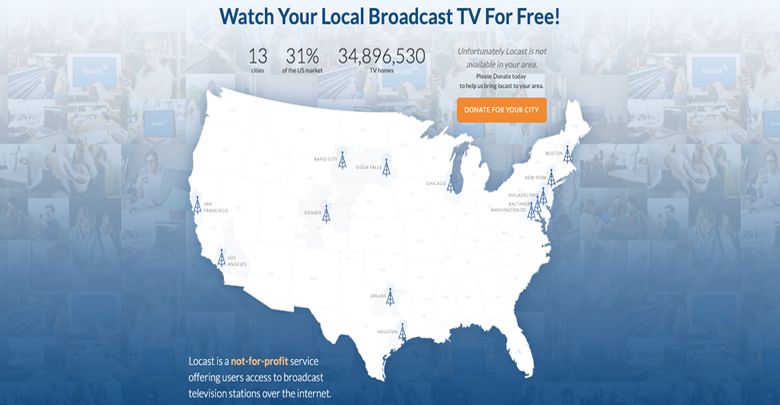
Locast was founded by Goodfriend, a lawyer and executive who formerly worked in Clinton’s Administration, Federal Communications Commission and Dish Satellite TV. Since its launch in 2018, the service has covered 31% of US TV households, including 13 cities and up to 35 million households.

In the filing, the “Big Four” claimed that Locast is not a public service devoted to benefit the public and under the façade of Robin Hood, its funding and operations reveal a commercial purpose. Last May, AT&T added Locast app to DirecTV and U-verse set-top boxes and donated US$500,000 to SFCNY.

The lawsuit is a reminiscence of the lawsuit against Aereo — a provider of antennas to receive pay-TV programmes. In 2014, a consortium of broadcasters had tackled Aereo in supreme courts over similar issues — and CBS stock spiked by 5.9% after the victory.

However, Locast may have a trump card up its sleeve which Aereo did not. The card is that under US Copyright Act 1976, a non-profit organisation is legally allowed to re-broadcast for free, as it serves a public service by extending signal reach.

Five days ago, the National Association of Broadcasters (NAB) released a statement in support of the lawsuit. NAB executive vice-president of Communications Dennis Wharton said: "NAB wholeheartedly backs today’s lawsuit against Locast.

“This firm is thinly disguised as a not-for-profit entity that mirrors failed predecessors Aereo and FilmOn in its bid to legitimise the theft of local TV broadcast signals.”


Join The Community

Join The Community

Locast a locust or a modern day TV Robin Hood?

Add Your Heading Text Here

The plaintiffs claimed that Locast, a non-profit organisation backed by AT&T, has infringed the rule of copyrights by distributing and providing pay-TV content for free over-the-air without paying re-transmission fees and gaining consent.

Conventionally, re-transmission and distribution of content from cable and satellite pay-TV require a fee. Wall Street estimates that re-transmission fees made up about 11% of CBS’ revenue for 2018.

Locast was founded by Goodfriend, a lawyer and executive who formerly worked in Clinton’s Administration, Federal Communications Commission and Dish Satellite TV. Since its launch in 2018, the service has covered 31% of US TV households, including 13 cities and up to 35 million households.

In the filing, the “Big Four” claimed that Locast is not a public service devoted to benefit the public and under the façade of Robin Hood, its funding and operations reveal a commercial purpose. Last May, AT&T added Locast app to DirecTV and U-verse set-top boxes and donated US$500,000 to SFCNY.

The lawsuit is a reminiscence of the lawsuit against Aereo — a provider of antennas to receive pay-TV programmes. In 2014, a consortium of broadcasters had tackled Aereo in supreme courts over similar issues — and CBS stock spiked by 5.9% after the victory.

However, Locast may have a trump card up its sleeve which Aereo did not. The card is that under US Copyright Act 1976, a non-profit organisation is legally allowed to re-broadcast for free, as it serves a public service by extending signal reach.

Five days ago, the National Association of Broadcasters (NAB) released a statement in support of the lawsuit. NAB executive vice-president of Communications Dennis Wharton said: "NAB wholeheartedly backs today’s lawsuit against Locast.

“This firm is thinly disguised as a not-for-profit entity that mirrors failed predecessors Aereo and FilmOn in its bid to legitimise the theft of local TV broadcast signals.”
Join The Community

Stay Connected

Facebook

101K

Twitter

3.9K

Instagram

1.7K

LinkedIn

19.9K

YouTube

0.2K

Subscribe to the latest news now!


    Scroll to Top