


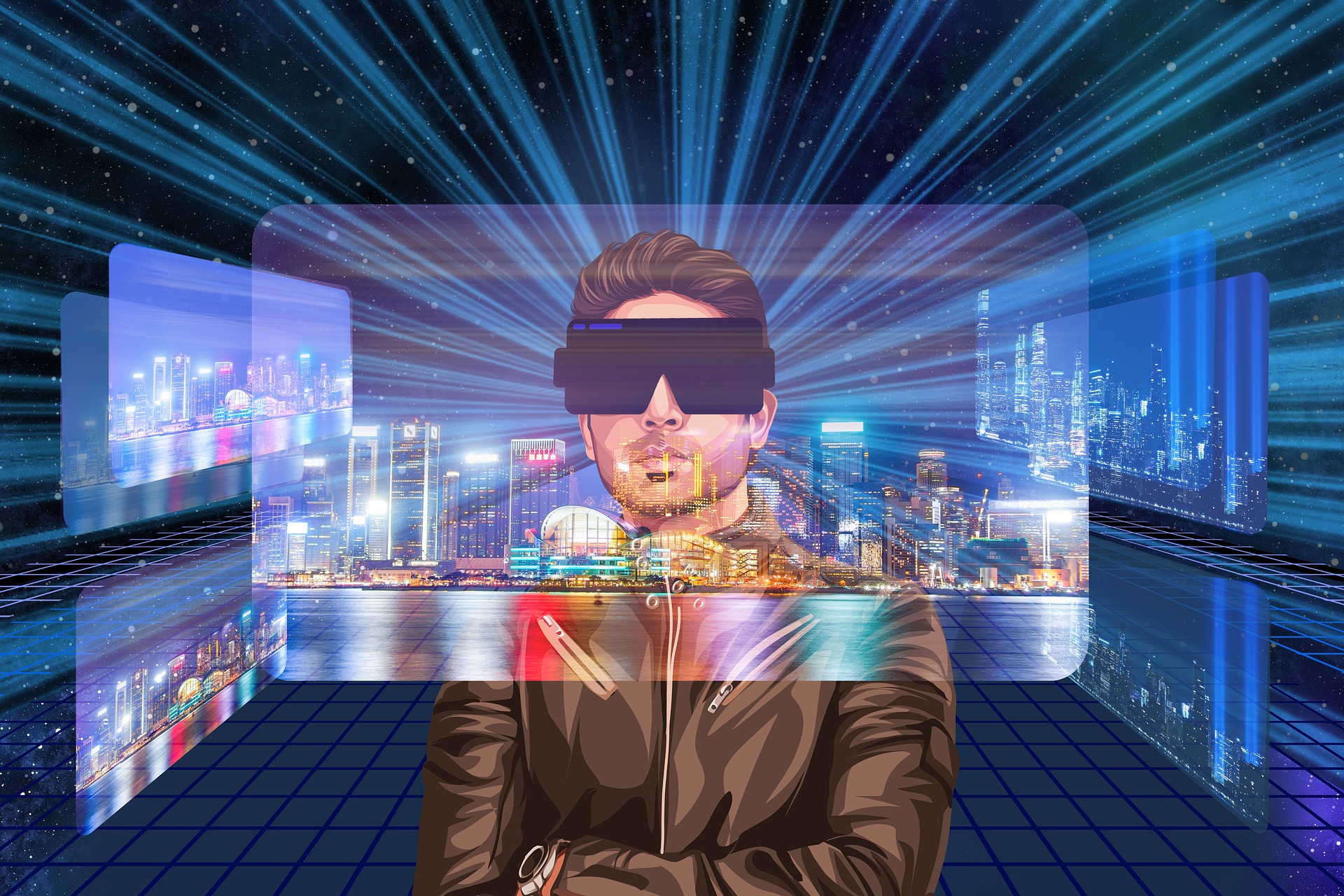
Technology plays a critical role in making the metaverse possible. Besides leveraging virtual reality (VR) and augmented reality (VR), creatives also need to develop user interfaces, customisable tools, and content management systems for managing user-generated content.
But can the metaverse in the broadcast and media industry be a reality?
In an interview with Lori H. Schwartz, host of NAB’s Web3 Amplified series, Barbara Marshall, Global M&E Industry Lead for Z by HP, pointed out that computers are necessary to create “the digital world in whatever form it takes”. In a graphics-intensive digital environment, which is now being referred to as a metaverse, a category of computer known as a workstation is necessary, and HP “obviously has a part to play in creating the computers that enable the creatives to create the metaverse,” she added.
Those are the known, basic elements of this Web3 conversation, according to Marshall. In her perspective, there may be multiple metaverses, each different in form and function, as opposed to one large digital replica of the world.
However, Marshall foresees that the near-term impacts of the metaverse remain uncertain: “I'm a bit skeptical. I think there's more hype than reality going on at the moment, but I think it's important to explore what the options are, and imagine where this could lead.”
As far as Web3 is concerned, she is particularly enthusiastic about one of its elements, as she explained, “Interoperability, open source of convergence, true convergence among industries, because we are actually creating the same assets for different purposes.”
While Web3, as of now, is all about the experience of individuals and the benefits of Web3, Marshall asserted that “Web3 isn’t just about consumers; Web3 is about business to business, the interoperability and, hopefully, open standards and open formats and open content that enables businesses to share and benefit from other companies’ work or organisations’ work.”